This Pickleball Beginner Guide 2026 introduces the essential rules every new player should know, presenting them in a clear and approachable way. As you move through each section, the explanations build your understanding step‑by‑step so you always know what to focus on next. Ultimately, the guide gives you the confidence to start playing real games with clarity and ease.

Pickleball Beginner Guide 2026: Court Layout, Paddles, Net, and Ball Explained

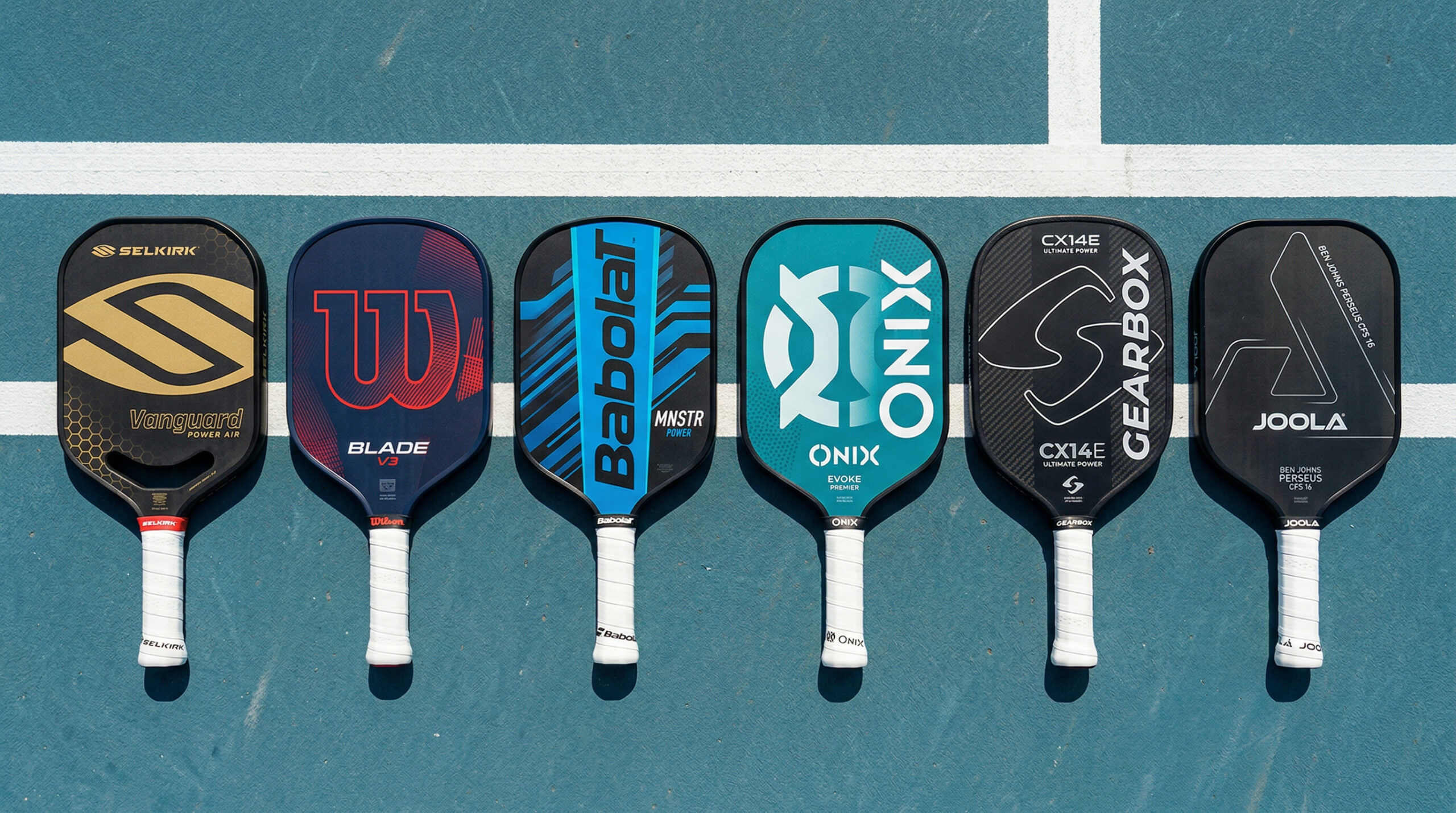
Pickleball Beginner Guide 2026 only need a few essentials to get started: a clean court, a reliable paddle, a regulation net, and a good outdoor ball. Understanding these basics helps new players feel more confident before stepping into drills or gameplay.

Level up your game with Pickleball Serve Drills | Improve Accuracy & Consistency that focus on accuracy, consistency, and repeatable technique.


Pickleball Beginner Guide 2026: Essential Rules and Equipment

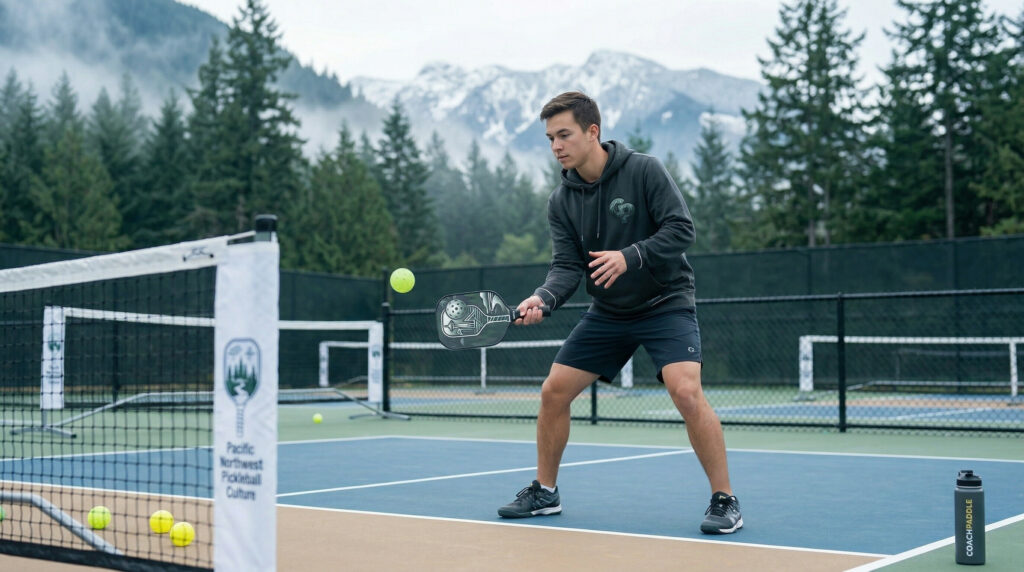
Pickleball is played on a small 20‑by‑44‑foot court with a net slightly lower than tennis, and this compact layout makes movement feel fast and engaging. Because the court includes key areas like the baselines, service boxes, and the non‑volley zone (the kitchen), beginners benefit from learning these lines early so they can move with purpose.

As a result, players quickly avoid common mistakes and develop better court awareness from the very start.

This pickleball beginner guide explains how the sport works, how the court is set up, and what new players need to know before stepping onto the court.

How Scoring Really Works in Pickleball

How Pickleball Scoring Works

Pickleball scoring is simple: only the serving team can score points, and the score is always called as server score – receiver score – server number. Each team gets two servers before a side‑out, and every new serving turn starts on the right side. Games typically go to 11, win by 2.

Pickleball Beginner Guide 2026: How to Call the Score

Pickleball uses a three‑number call: server score – receiver score – server number. This tells players the score and which partner is serving. Every game starts at 0–0–2 because the first team only gets one server.

Side Switching in Pickleball

Teams switch sides after each game in recreational play, and this simple rotation helps keep the match balanced. In tournament settings, however, teams switch mid‑game at preset points to maintain fairness as conditions shift throughout the match.

Pickleball Beginner Guide 2026: Serving Rotation Explained

Each team has two servers, and this rotation helps keep play structured and fair. After the rally ends, Server 1 continues serving until they lose a point, and then Server 2 takes over. Once both players lose their serve, it becomes a side‑out, and the other team begins their turn with the serve always starting on the right side.

Take the next step in your soft‑game strategy and put these The Dink Shot: Tips And Tricks into action.


5 Pickleball Kitchen Rules Explained for Beginners

These are the core rules that define what you can and cannot do in the kitchen.

1. Understanding Why You Cannot Volley in the Kitchen

A volley is any shot hit before the ball bounces, and this quick reaction skill becomes more important as rallies speed up. However, if any part of your body, paddle, clothing, or equipment touches the kitchen or the kitchen line during a volley, it immediately results in a fault.

2. Pickleball Beginner Guide 2026: Momentum Into the Kitchen Is a Fault

Even if you volley outside the kitchen, you cannot let your momentum carry you into the NVZ afterward. This includes:

  • Stepping in
  • Falling in
  • Catching yourself with your paddle
  • Dropping anything into the kitchen

Momentum faults are one of the most common beginner mistakes.

3. You can enter the kitchen after the ball bounces

Players are allowed to step into the kitchen any time the ball has bounced, and this freedom opens the door for more controlled, strategic play. Because this area is designed for softer exchanges, it’s where dinks, resets, and other touch‑based shots naturally happen.

4.Understanding Why You Can Stand in the Kitchen but Cannot Volley

There is no rule against being inside the kitchen, and players are free to step into this area whenever the ball has bounced. However, the restriction applies only to volleys, which means any volley contact made while touching the kitchen or its line results in an immediate fault.

5. The kitchen line counts as the kitchen

If you touch the line during a volley, it is treated the same as stepping into the non‑volley zone, and the fault is applied immediately.

To learn more about the Non‑Volley Zone, you can explore additional rules, examples, and beginner‑friendly explanations visit Understanding the Non‑Volley Zone.


FAQ: Pickleball Beginner Guide

The most effective approach is focusing on fundamentals: dinks, drops, resets, serves, and footwork. Short, repeatable drills build muscle memory and confidence. Beginners improve fastest when they combine drills with real game play.

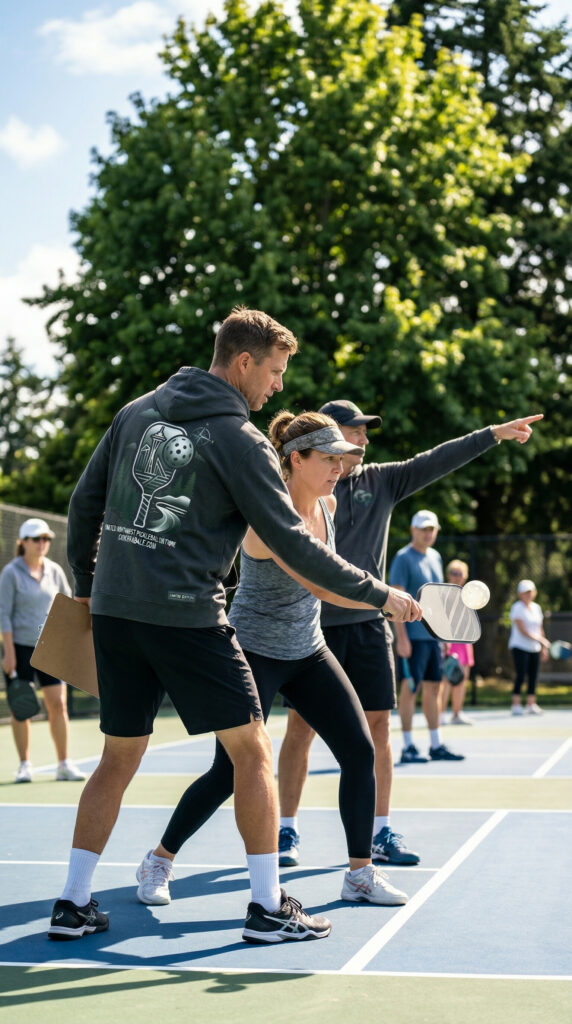
Lessons help, but they’re not required. Many beginners learn through guides, videos, and simple drills. Coaching becomes more valuable once players want to improve strategy, consistency, and kitchen play.

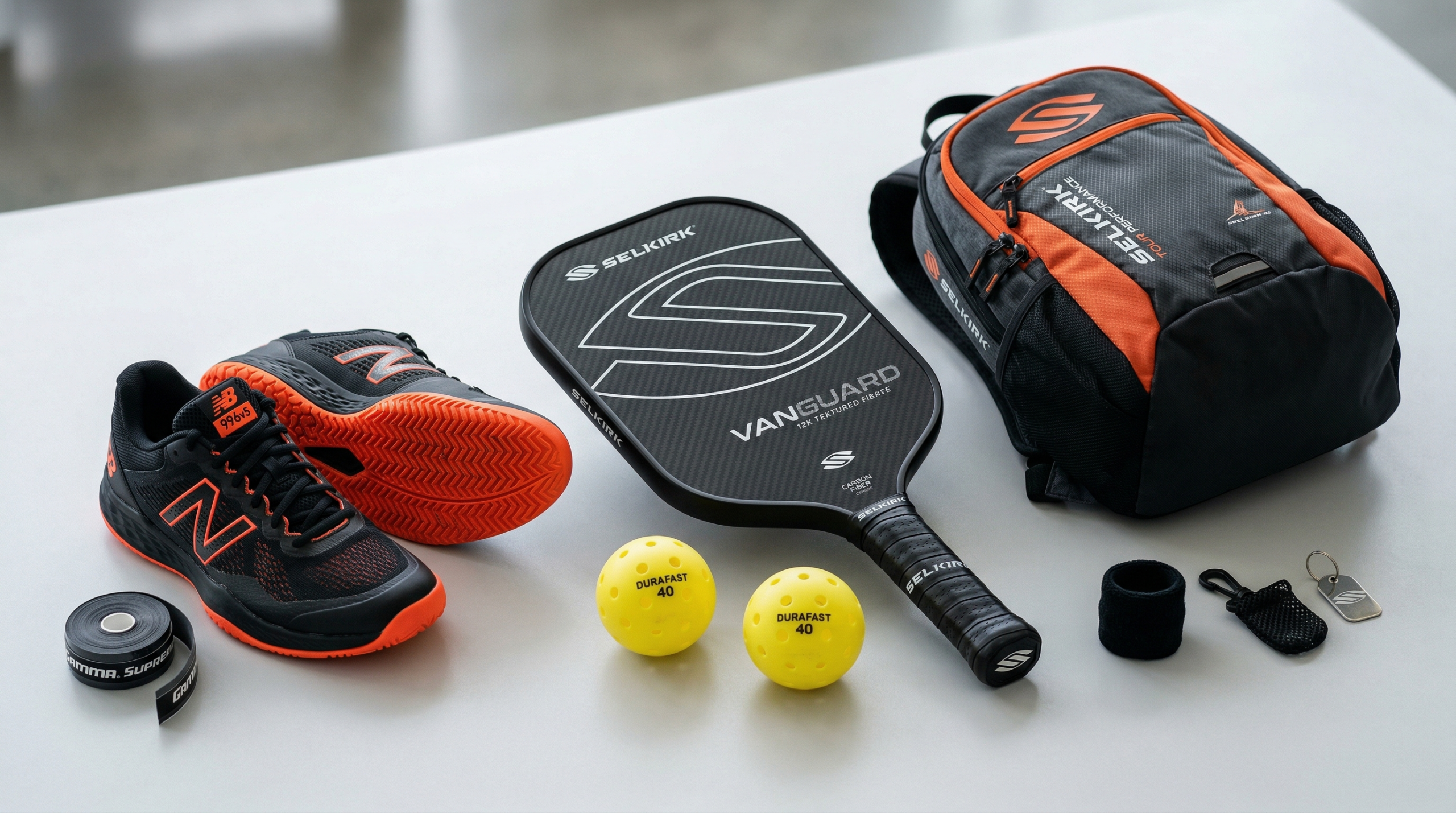
Beginners only need a paddle, pickleballs (indoor or outdoor), and court‑friendly shoes. Optional gear includes a portable net, grip tape, and a small bag for balls and accessories. A simple setup is enough to start learning.

For official guidance on rules and standards, you can always check the USA Pickleball Official Rules